Home · Areas Served · Highway Corridor and North Side
Water Damage Restoration in Highway Corridor and North Side
Quick answer
Townhomes, apartments, and mixed stock along the main commercial corridor.
townhomes and apartments
ZIP codes served here: 30094.
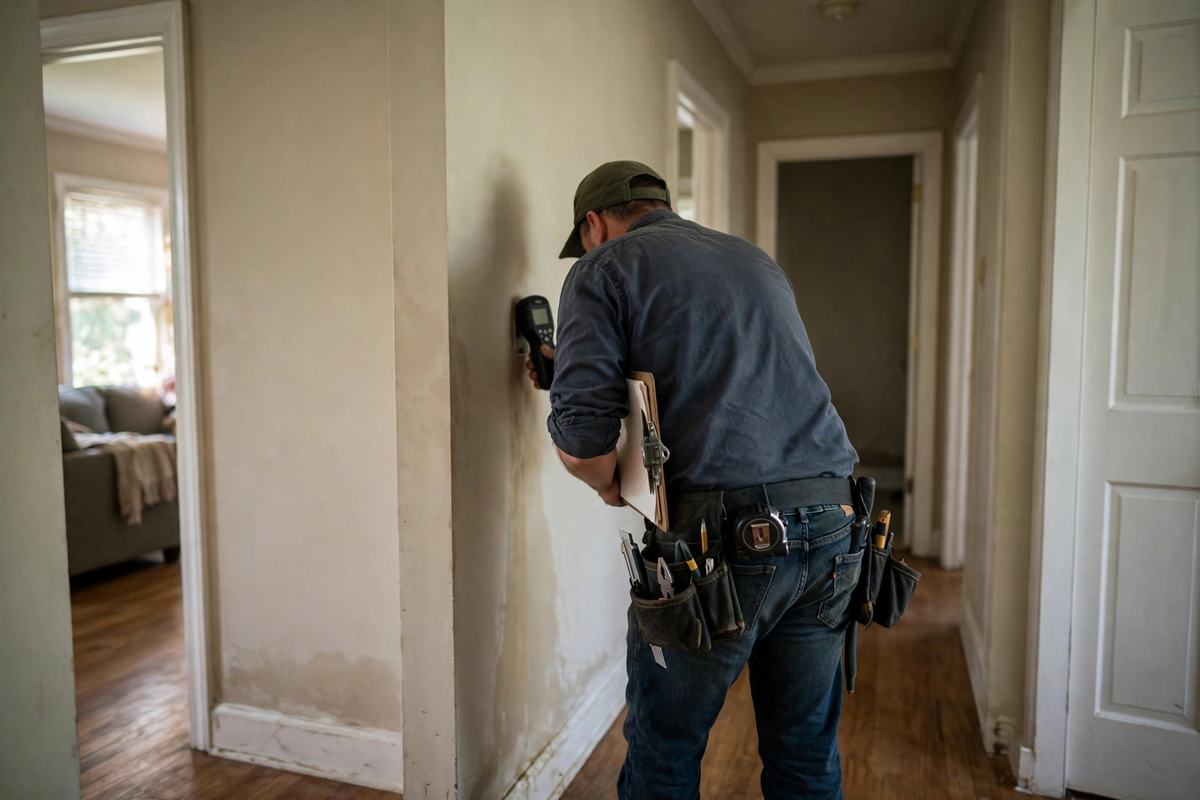
Common calls in Highway Corridor and North Side
- Water visibly pooled on floors or in a basement. It usually means standing water is migrating under walls and floors while it sits.
- A burst line, failed water heater, or overflowing appliance still releasing water. It usually means the source must be stopped before extraction means anything.
- Rain or floodwater entering through doors, windows, or a garage. It usually means documentation taken now is the claim's foundation later.
- Carpet that squelches when stepped on. It usually means the pad under the carpet is saturated even where the surface looks merely damp; pad and subfloor drive the drying scope.
What jobs here tend to look like
Big Haynes Creek crosses Conyers from the reservoir side toward the south river, and the oldest streets sit on the rolling ground above its bottoms while the newer subdivisions spread across the ridges beyond.
Housing in Conyers: seventies and eighties ranch homes around the old town, nineties subdivision stock on the east side, townhome and apartment stock along the highway corridor, and newer two story homes on the county edge.
Climate in Conyers: hot humid summers, mild winters, and heavy thunderstorm bursts.
For water damage restoration in Conyers, the pattern that repeats across jobs is set by those conditions together, and the scopes on this site are written around them, not around a national checklist.
Services available in Highway Corridor and North Side
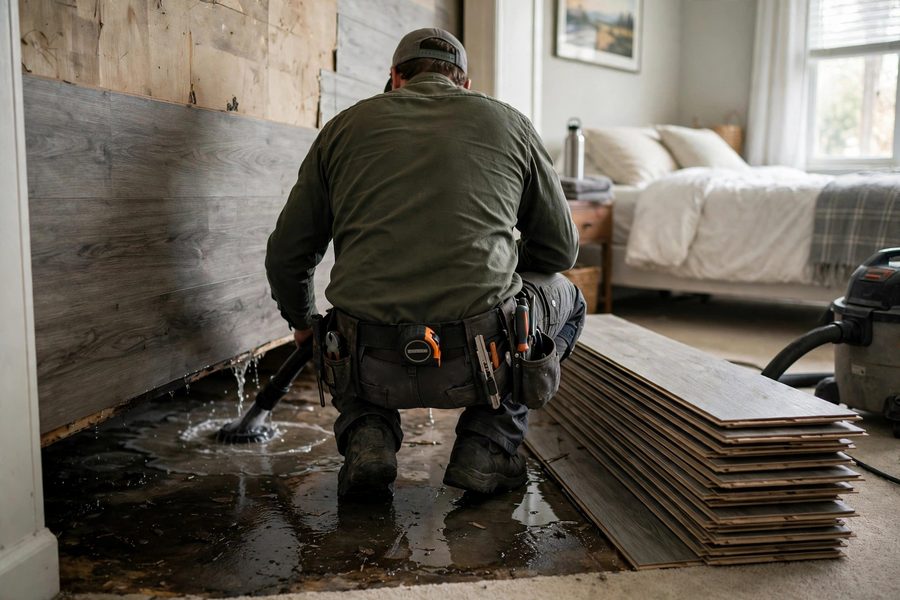
Emergency Water Removal
Pulling water out before knowing where it came from can turn one loss into two different problems. Extraction for a burst supply line differs from extraction after a backup, so the first steps in Conyers are identifying the source, photographing the high-water mark, and then starting removal with the right handling.
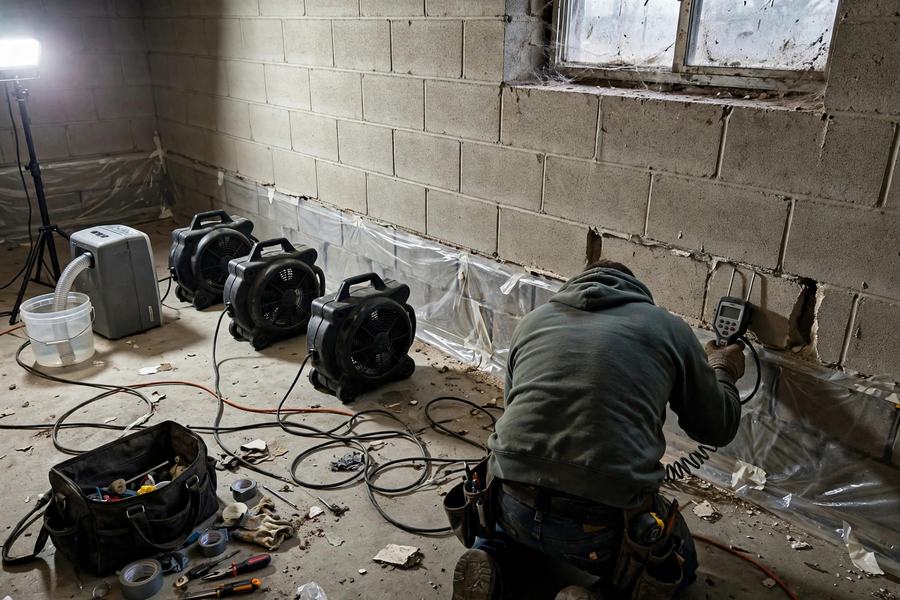
Basement Water Removal & Drying
In Conyers subdivisions, a wet basement usually means a finished room got wet: carpet and pad, baseboards, and the lower portion of each wall the water reached. Sorting what can dry in place from what must come out happens on paper before equipment starts, so expectations are set early.
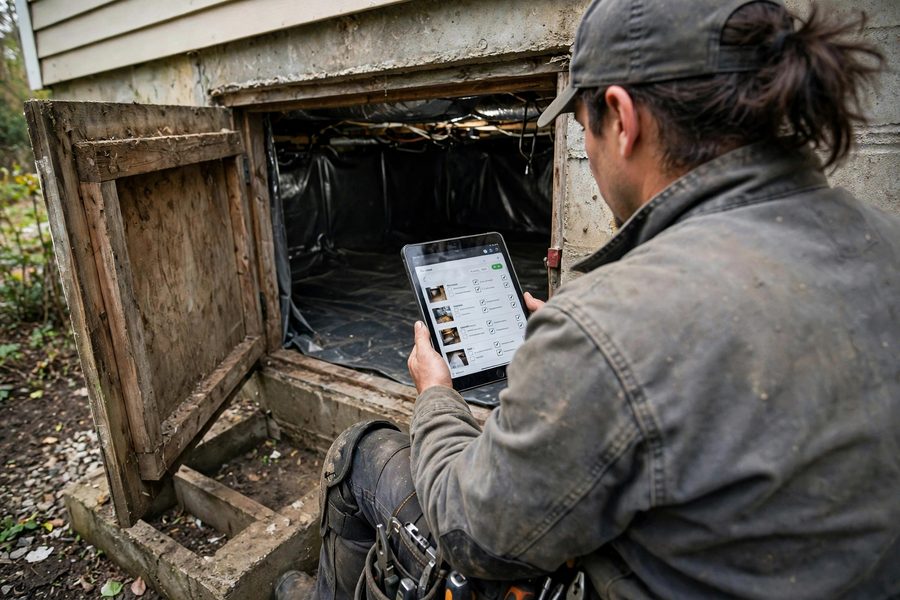
Crawl Space Water Damage
Under older Conyers homes near the creek bottoms, crawlspaces stay damp long after yards dry, especially following heavy thunderstorm bursts. A useful inspection looks together at standing moisture, joist condition, subfloor effects, and whether any vapor barrier remains intact, because fixing only the puddle leaves the underlying condition unchanged.
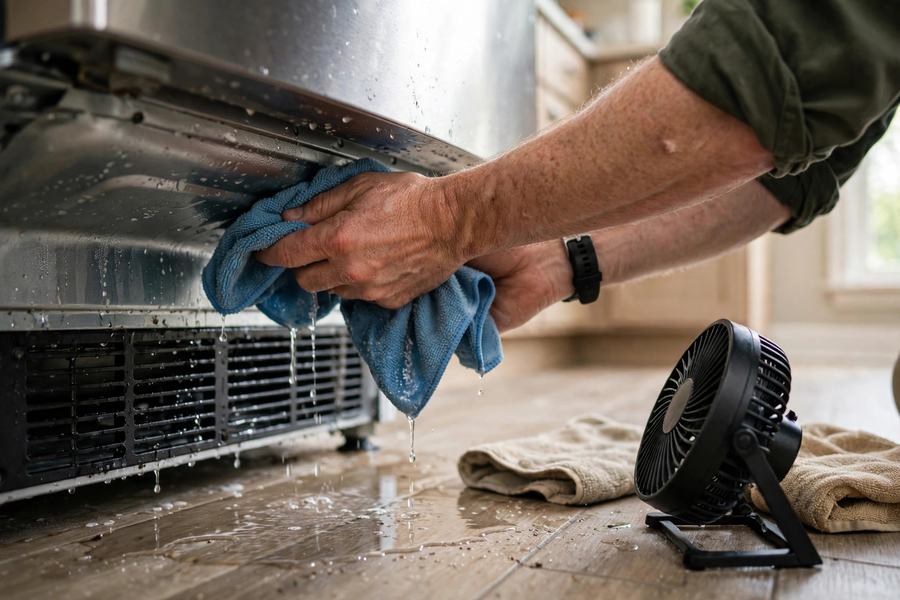
Appliance Leak Cleanup
How long a slow leak ran matters more than how big the puddle looks today. Dishwasher and washing-machine lines in Conyers ranch homes and townhomes can soak a floor system for weeks unnoticed, so crews map moisture outward from the appliance to decide where removal actually needs to stop.
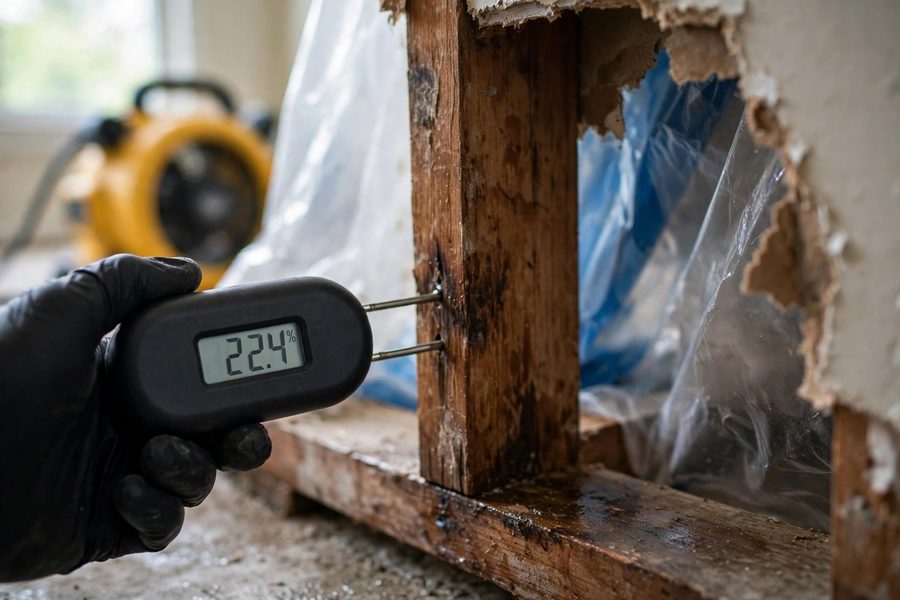
Water Damage Restoration
Full restoration ties several stages into a single documented scope: coordinating the source repair, extracting water, removing material that cannot dry, verifying dryness with meters, and listing the build-back work that remains. Keeping one record across stages helps later trades and insurers describe the same loss in the same terms.
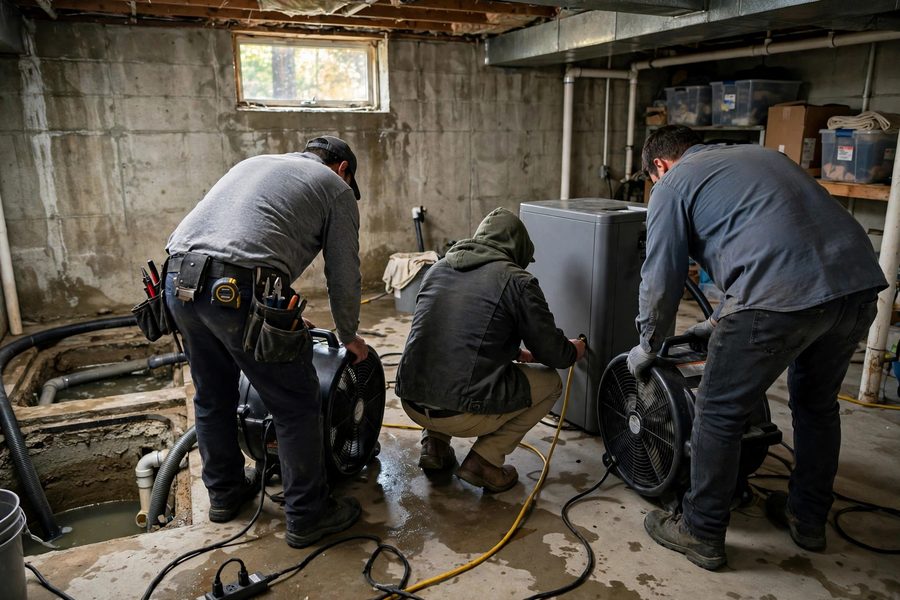
Sump Pump Failure Cleanup
When a sump pit fills during a Conyers thunderstorm burst and the pump or its power gives out, finished basement rooms take the water instead. Cleanup includes examining the arrangement, pump, discharge route, and power supply, because swapping in a new pump while a discharge problem remains invites a repeat.
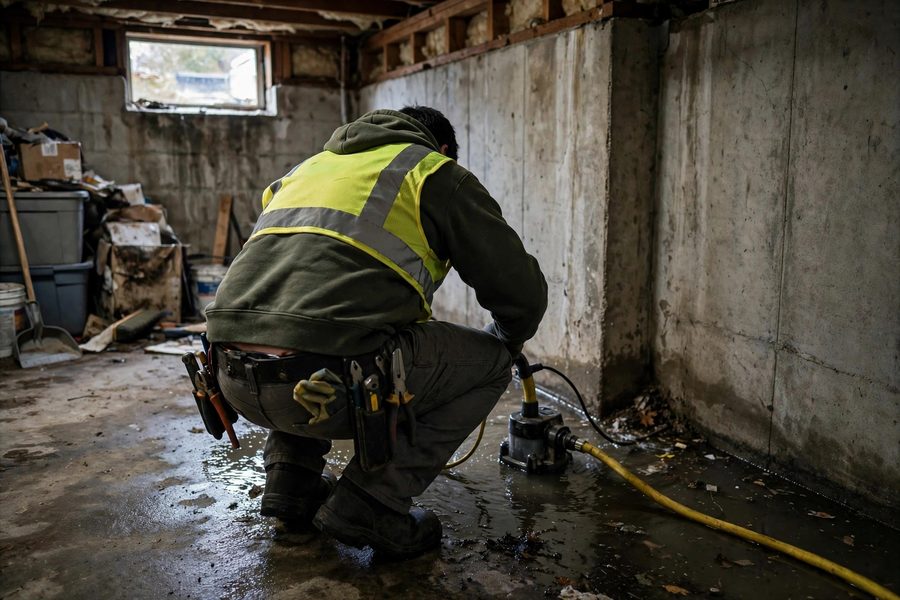
Flood Cleanup
After long wet stretches, flood work in Conyers mixes two kinds of water: surface runoff that crossed yards and streets, plus groundwater lingering near Big Haynes Creek bottoms. Sanitation handling applies to anything outside water touched, and walls need patient checks because they absorb moisture well above the visible waterline.
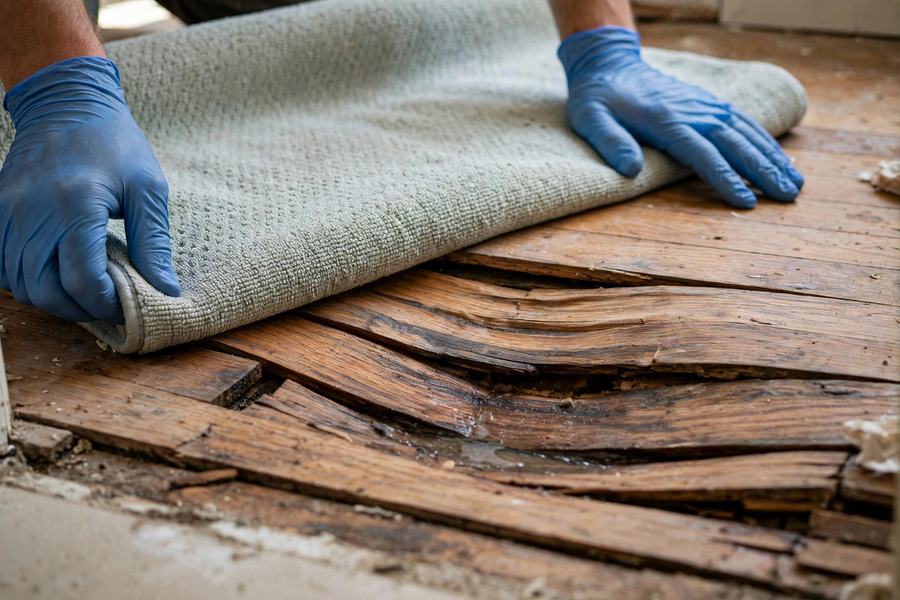
Burst Pipe Water Cleanup
Mild Conyers winters still produce occasional splits, usually along an exterior wall or through an unheated section of line, and the wet area then traces the pipe's route through the home. Preserving the failed piece of pipe for the claim record is a small step worth taking before disposal.
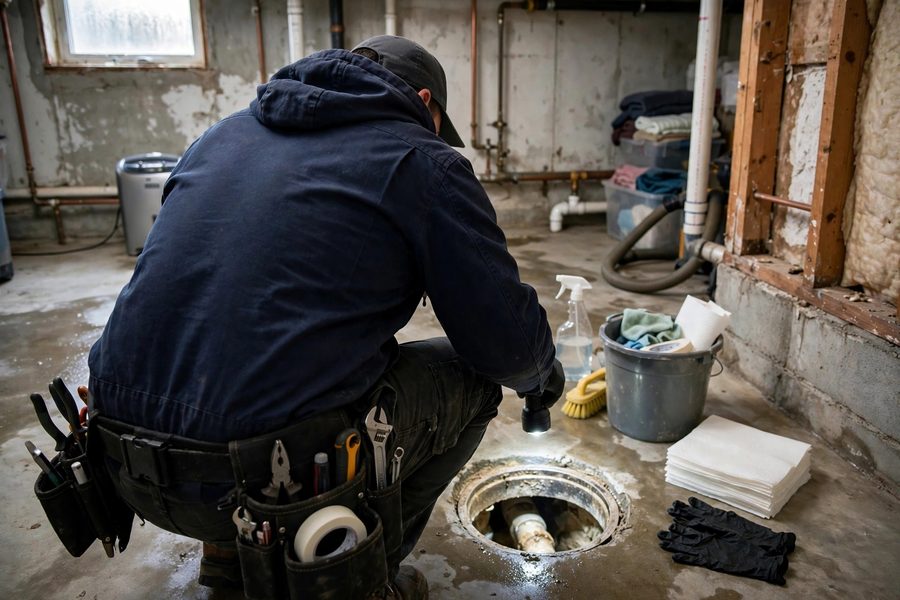
Sewage Backup Cleanup
Sewage work follows sanitation protocol from the start rather than drying protocol. Anything porous that the water reached gets removed, hard surfaces are cleaned and treated in a set order, and the origin, a blockage, a valve problem, or a wider municipal event during a storm burst, gets recorded clearly.
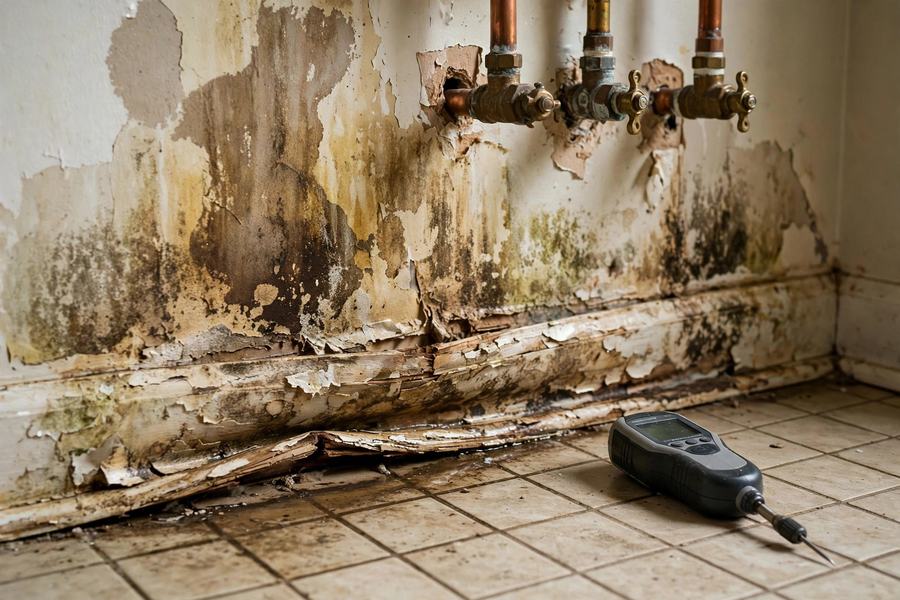
Water Heater Leak Cleanup
A heater can fail two ways in a Conyers home: seeping slowly at its base until the stand and surrounding floor have been damp for weeks, or letting go suddenly and flooding the room the same day. Written scopes keep the plumbing replacement decision separate from the drying decision in either case.
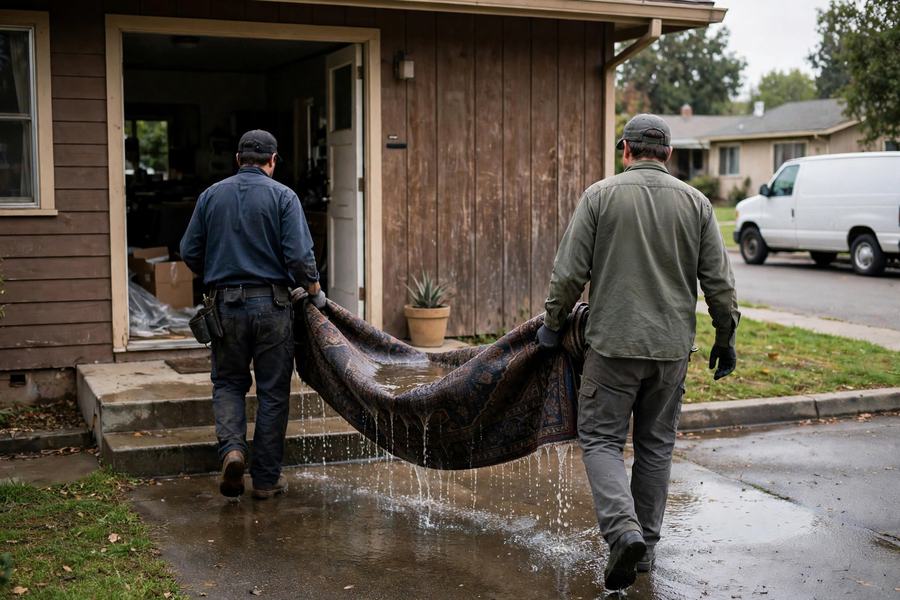
Roof Leak Water Damage
A ceiling stain is where roof water ends up, not where it entered, so the inspection starts in the attic and works downward. Metering insulation, decking, and the wall below shows the route water traveled during heavy Conyers thunderstorms, letting the drying plan match the actual path instead of the stain.
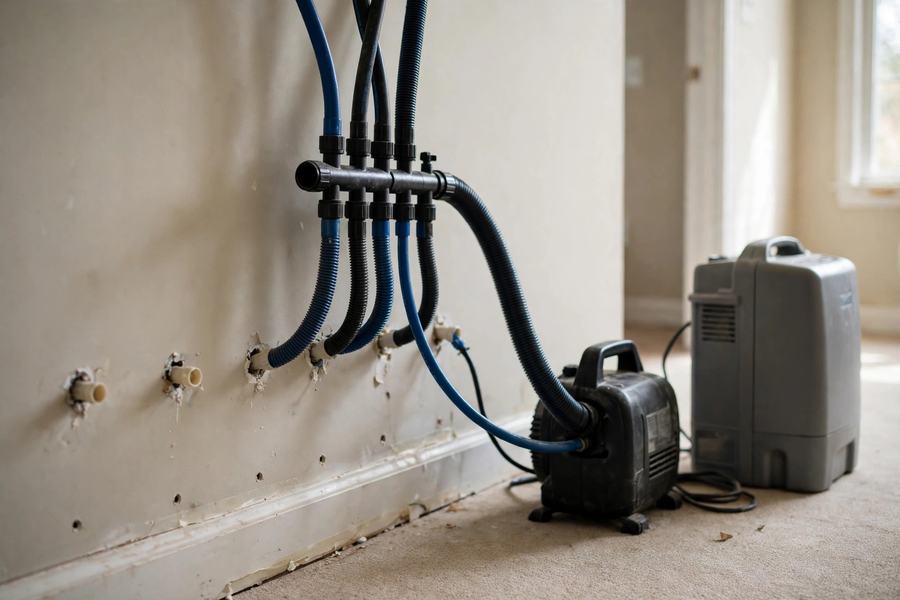
Structural Drying
Measured drying beats simply renting fans and hoping. Equipment placement follows a moisture map of the affected rooms, technicians return for daily readings, and machines stay until those readings confirm materials have dried, a process humid Conyers summers can stretch, particularly in crawlspace homes and low rooms near the creek.
Nearby areas we also serve
Request a callback
Prefer to talk later? Leave your details and an independent local pro will call you back. No charge to you, no obligation.
Haynes Creek Restoration is a free referral service. Submitting this form connects you with independent local contractors who provide the work.