Conyers, Georgia · Water damage referrals
Haynes Creek Restoration is a specialist research and referral service for water damage restoration in Conyers. One call connects you with an independent local pro. No charge to call, and no obligation until you approve a written estimate.
Haynes Creek Restoration is a free referral service. We connect you with an independent local pro; we do not perform the work ourselves.
Run from the United States. A small US based operation, not an offshore lead seller.
Serving Conyers ZIP codes 30012, 30013, 30094, across the Haynes Creek service area and the neighborhoods named below.
Water damage pricing around Conyers starts with source accounting rather than square footage alone. Clean supply water, storm backup, and groundwater each require different handling, different drying scopes, and different claim paths, so a quote that skips identifying the source has priced only the visible puddle, usually the least expensive part of the job. Local conditions then shape the total. Heavy summer thunderstorm bursts push creek-side drainage hard on the low streets above the Big Haynes Creek bottoms, raising groundwater and testing sump capacity at the same time. Supply lines in 1970s and 1980s ranch stock are reaching the age where pinhole leaks appear inside walls and run unnoticed. Crawlspace homes on older roads hold humidity against the subfloor after every wet week, extending drying. Newer subdivision and two-story homes on the ridges bring larger footprints when water spreads. Compiled for 2027 from recent published national figures plus local information covering ZIP codes 30012, 30013, and 30094, this guide points to one reliable figure: the written estimate produced after an in-person assessment.
Nothing. The call and the referral are free, and there is no obligation to hire anyone.
Only after the pro has seen the job and you have approved a written estimate. Approving the price is always your decision.
An independent local contractor who takes this kind of work in Conyers. You deal with them directly, and you can verify licensing and insurance before hiring.
No. This service is run by a US based routing team. Real people here route your call to a local pro.
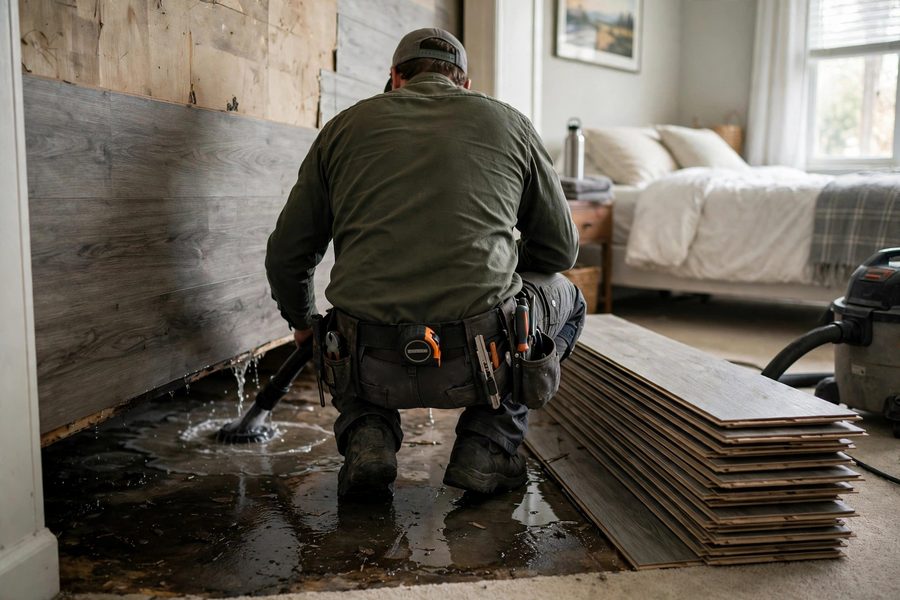
Pulling water out before knowing where it came from can turn one loss into two different problems. Extraction for a burst supply line differs from extraction after a backup, so the first steps in Conyers are identifying the source, photographing the high-water mark, and then starting removal with the right handling.
Call PLACEHOLDER
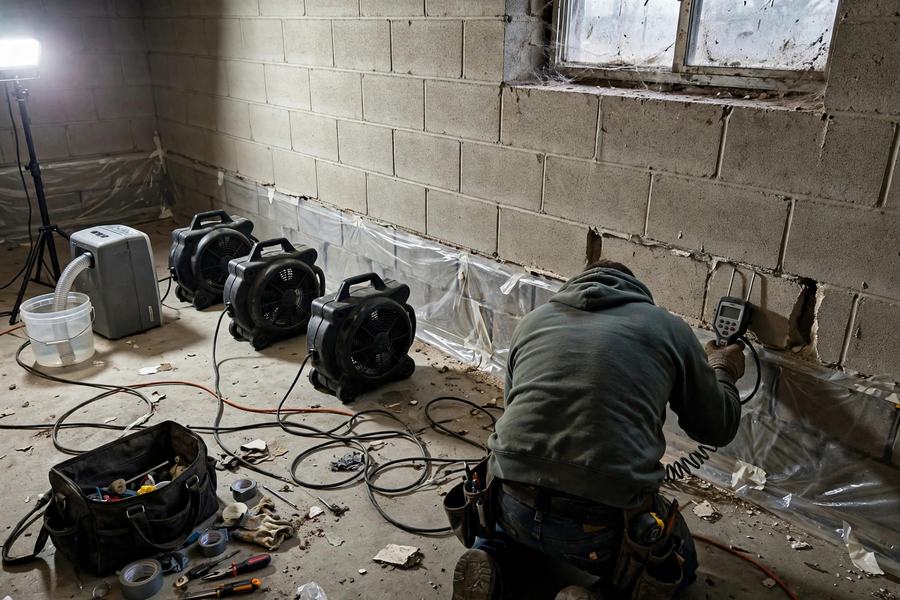
In Conyers subdivisions, a wet basement usually means a finished room got wet: carpet and pad, baseboards, and the lower portion of each wall the water reached. Sorting what can dry in place from what must come out happens on paper before equipment starts, so expectations are set early.
Call PLACEHOLDER
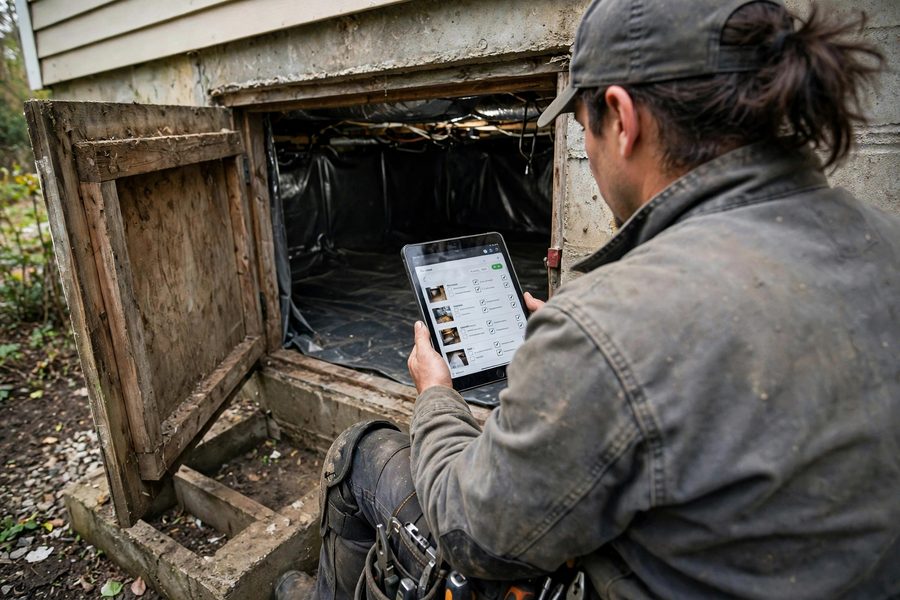
Under older Conyers homes near the creek bottoms, crawlspaces stay damp long after yards dry, especially following heavy thunderstorm bursts. A useful inspection looks together at standing moisture, joist condition, subfloor effects, and whether any vapor barrier remains intact, because fixing only the puddle leaves the underlying condition unchanged.
Call PLACEHOLDER
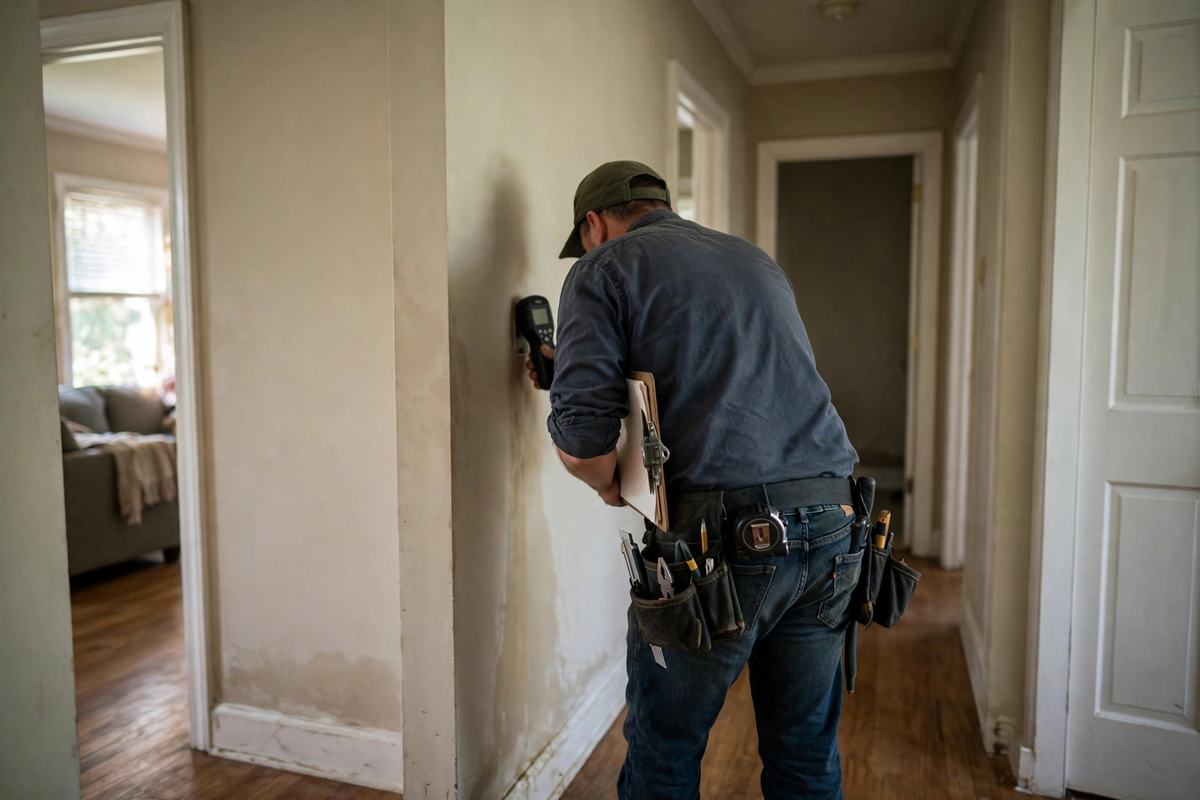
How long a slow leak ran matters more than how big the puddle looks today. Dishwasher and washing-machine lines in Conyers ranch homes and townhomes can soak a floor system for weeks unnoticed, so crews map moisture outward from the appliance to decide where removal actually needs to stop.
Call PLACEHOLDER
Full restoration ties several stages into a single documented scope: coordinating the source repair, extracting water, removing material that cannot dry, verifying dryness with meters, and listing the build-back work that remains. Keeping one record across stages helps later trades and insurers describe the same loss in the same terms.
Call PLACEHOLDER
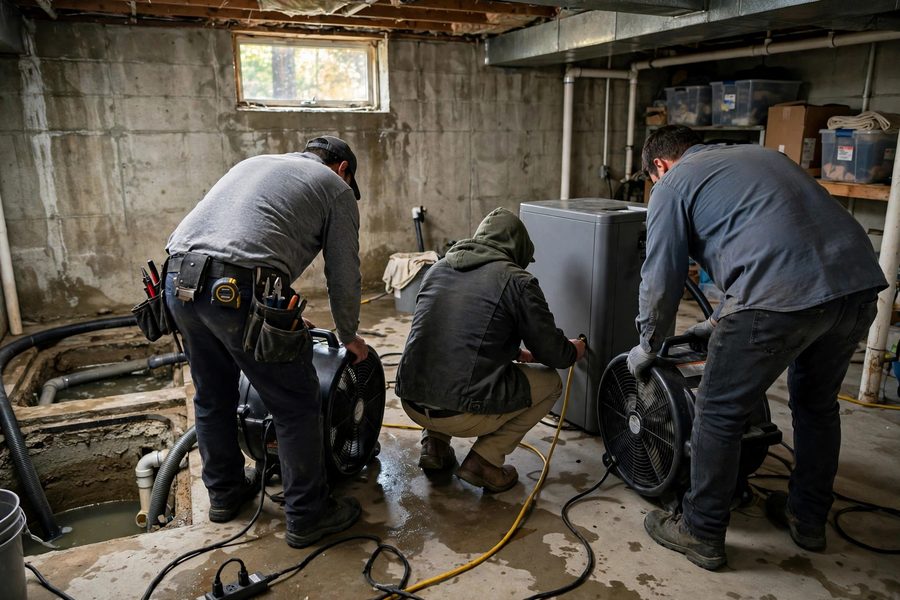
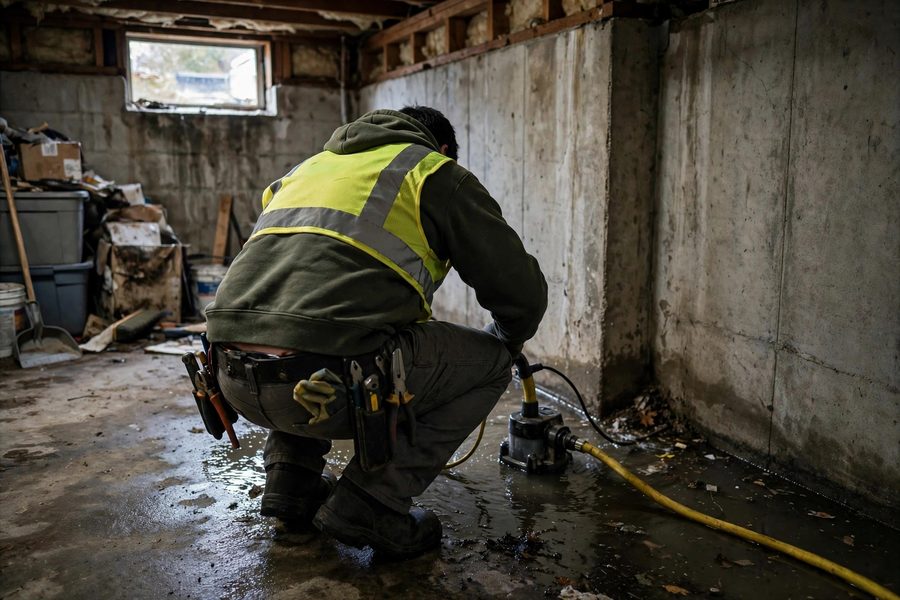
When a sump pit fills during a Conyers thunderstorm burst and the pump or its power gives out, finished basement rooms take the water instead. Cleanup includes examining the arrangement, pump, discharge route, and power supply, because swapping in a new pump while a discharge problem remains invites a repeat.
Call PLACEHOLDER
After long wet stretches, flood work in Conyers mixes two kinds of water: surface runoff that crossed yards and streets, plus groundwater lingering near Big Haynes Creek bottoms. Sanitation handling applies to anything outside water touched, and walls need patient checks because they absorb moisture well above the visible waterline.
Call PLACEHOLDER
Mild Conyers winters still produce occasional splits, usually along an exterior wall or through an unheated section of line, and the wet area then traces the pipe's route through the home. Preserving the failed piece of pipe for the claim record is a small step worth taking before disposal.
Call PLACEHOLDER
Sewage work follows sanitation protocol from the start rather than drying protocol. Anything porous that the water reached gets removed, hard surfaces are cleaned and treated in a set order, and the origin, a blockage, a valve problem, or a wider municipal event during a storm burst, gets recorded clearly.
Call PLACEHOLDER
A heater can fail two ways in a Conyers home: seeping slowly at its base until the stand and surrounding floor have been damp for weeks, or letting go suddenly and flooding the room the same day. Written scopes keep the plumbing replacement decision separate from the drying decision in either case.
Call PLACEHOLDER
A ceiling stain is where roof water ends up, not where it entered, so the inspection starts in the attic and works downward. Metering insulation, decking, and the wall below shows the route water traveled during heavy Conyers thunderstorms, letting the drying plan match the actual path instead of the stain.
Call PLACEHOLDER
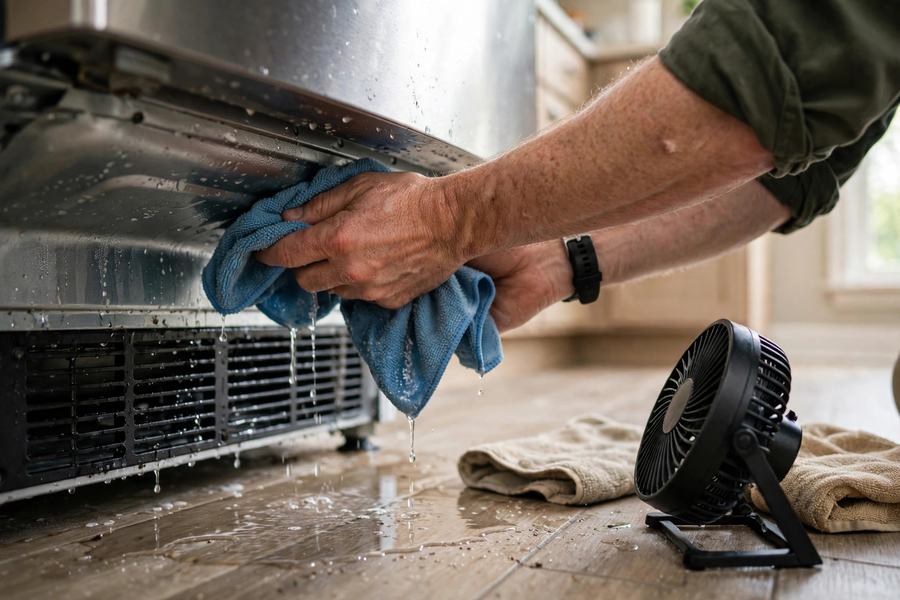
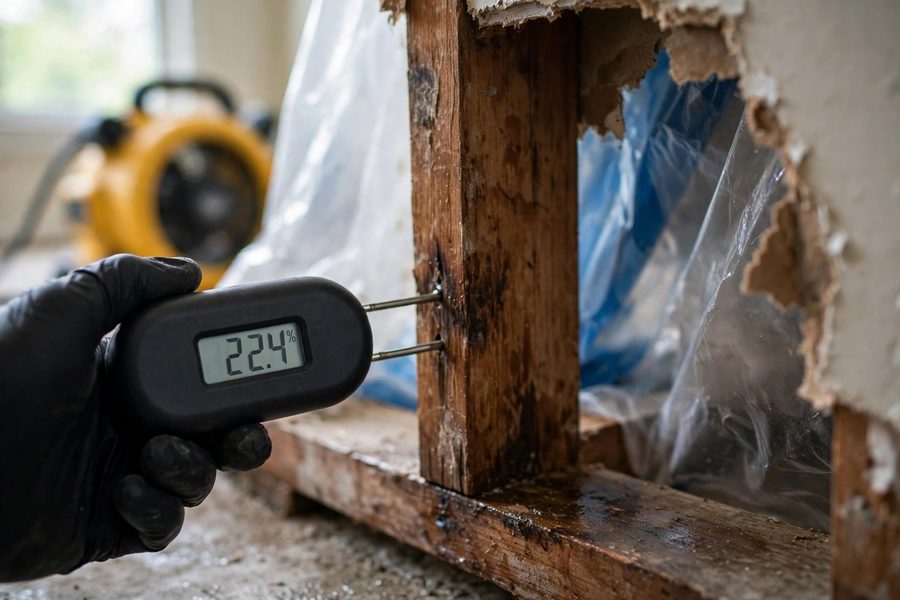
Measured drying beats simply renting fans and hoping. Equipment placement follows a moisture map of the affected rooms, technicians return for daily readings, and machines stay until those readings confirm materials have dried, a process humid Conyers summers can stretch, particularly in crawlspace homes and low rooms near the creek.
Call PLACEHOLDERDescribe what you are seeing. One free call connects you with an independent local pro who can assess it in person.
PLACEHOLDERIn Conyers, the 2027 price of a water damage job is set by the local pattern (storm bursts, aging supply lines, and damp crawl spaces drive the call pattern) and the stock it serves, checked against the latest published national figures.
See cost ranges and how insurance paysHomeowners policies in Georgia commonly cover sudden, accidental water damage, a burst pipe or a failed water heater, for example, while slow leaks and floodwater arriving from outside are usually excluded, and flood damage needs a separate flood policy. Moisture readings and photographs are documented either way, since those records are what an adjuster asks for first. In Conyers, noting whether water came from inside the home or from creek-side flooding during a thunderstorm burst helps that documentation match the claim.
Begin within 24 hours when possible, and sooner is better. Drywall wicks water upward roughly an inch per hour at first, and mold can colonize damp drywall and dust within 24 to 48 hours in warm conditions, conditions hot, humid Conyers summers provide readily. Extraction on the same day changes the whole job, particularly in ranch homes where water spreads across one level quickly.
Cost depends mostly on how much material got wet, how long the water sat, and whether contaminated water was involved. A small single-room extraction and drying job runs far less than a multi-room loss that requires demolition, and crawlspace homes here can add time when humidity lingers under the floor. The contractor you are connected with gives a written estimate after seeing the damage in person; prices for a specific job are not quoted by phone.
For a small spill of clean water caught in the first hours, fans and a shop vacuum often handle it. DIY drying fails where homeowners cannot measure: inside wall cavities, under flooring, and below grade, where surfaces feel dry while framing stays wet. If water reached walls, flooring seams, a basement, or a crawlspace in a Conyers home, metered drying is what prevents a second, mold-shaped bill later.
Mold needs three things: moisture, food such as drywall paper, dust, or wood, and time. Fast extraction plus verified drying removes the moisture element, which is why speed matters more than any spray. If a loss sat for days before drying began, a real possibility when a supply line leaks inside a wall in 1980s stock, the contractor will check cavities and tell you plainly what is found.
Most residential losses take 3 to 5 days of equipment time. Hardwood, plaster, and below-grade spaces run longer, while carpet over a slab tends to finish faster. Daily moisture readings, not the calendar, decide when equipment comes out, and humid weather after a Conyers storm burst can hold readings up longer than homeowners expect.
The contractor we connect you with documents the loss with photos and moisture logs in the format adjusters use, and most bill insurers directly on covered claims. You stay in control: no work beyond emergency mitigation happens without your written approval. That paper trail matters in Rockdale County as well when repeated creek-area events need dates and records kept straight.
Stop the source if you can do so safely, the main shutoff or an appliance valve, keep clear of water near outlets or panels, move what you can off wet floors, and take phone photos before anything else is moved, because insurers value timestamps. Then call, and extraction can begin while paperwork catches up. If the water arrived during a thunderstorm burst, note which door, garage edge, or low wall it entered through while the evidence is fresh.
Why Conyers Homes Dry Slower Than They Look: If water is standing now, shut the source off first if you can do it safely, then...
Standing Water Playbook for Conyers Homeowners: If the wet area is below a bathroom or a supply line, keep those fixtures off until the...
This service runs from the United States with a US based team. The model is simple: answer honestly, route carefully, and stand behind the connection.
Prefer to talk later? Leave your details and an independent local pro will call you back. No charge to you, no obligation.
Haynes Creek Restoration is a free referral service. Submitting this form connects you with independent local contractors who provide the work.
Calls are answered 24/7. One call connects you with an independent local pro.
PLACEHOLDER